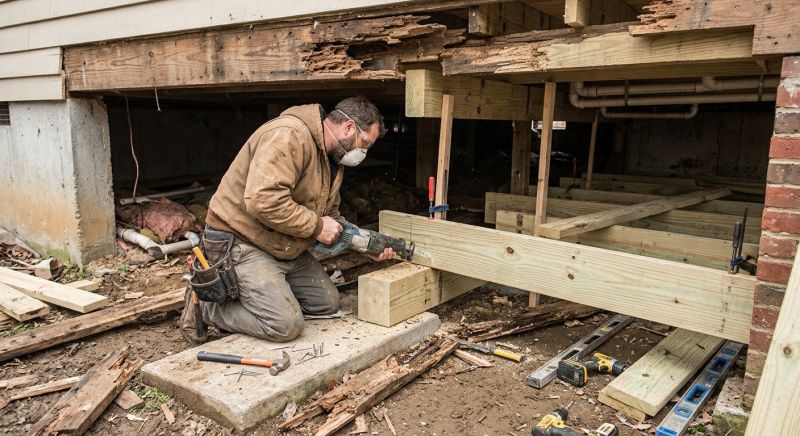
Termite Damage Restoration in Boulder, CO
Termite damage restoration services focus on repairing and restoring properties affected by termite infestations. These projects typically involve assessing the extent of damage caused by termites, including compromised wood, drywall, flooring, and structural elements. The process may include removing damaged materials, treating the affected areas to prevent future infestations, and rebuilding or reinforcing structures to ensure safety and stability. Homeowners often seek these services after discovering signs of termite activity or following an inspection that reveals hidden damage beneath the surface.
Before requesting termite damage restoration, property owners usually want to understand the scope of repairs needed and the condition of the affected areas. It's important to identify whether the damage is superficial or structural, as this impacts the repair approach. Additionally, homeowners often inquire about the types of materials that can be restored or replaced, the potential for ongoing pest control measures, and the overall impact on property value. Clear communication about the extent of damage and the restoration process helps ensure expectations are aligned and the property is properly restored.
Many property owners in Boulder, CO look into Termite Damage Restoration for repairs, replacements, upgrades, and appearance-related improvements.
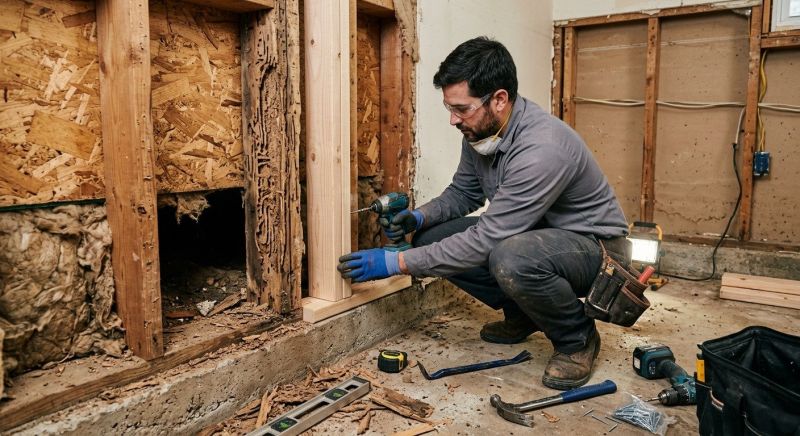
Identifying Termite Damage
Early signs include hollowed wood and mud tubes on interior or exterior surfaces.
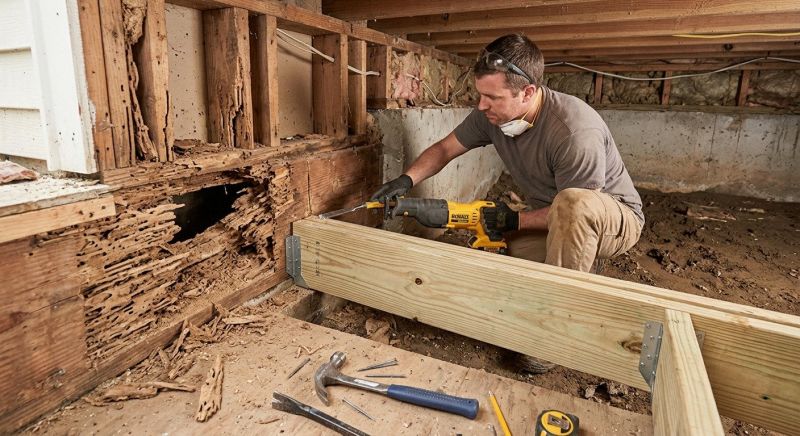
Restoration Process
Restoration involves removing damaged materials and repairing structural elements to ensure safety.
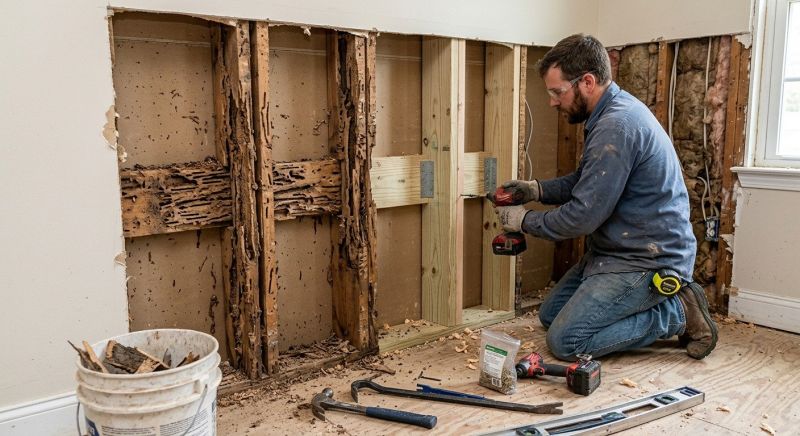
Preventative Measures
Proper moisture control and regular inspections help protect boulder homes from future termite issues.
Termite Damage Restoration in Boulder, CO
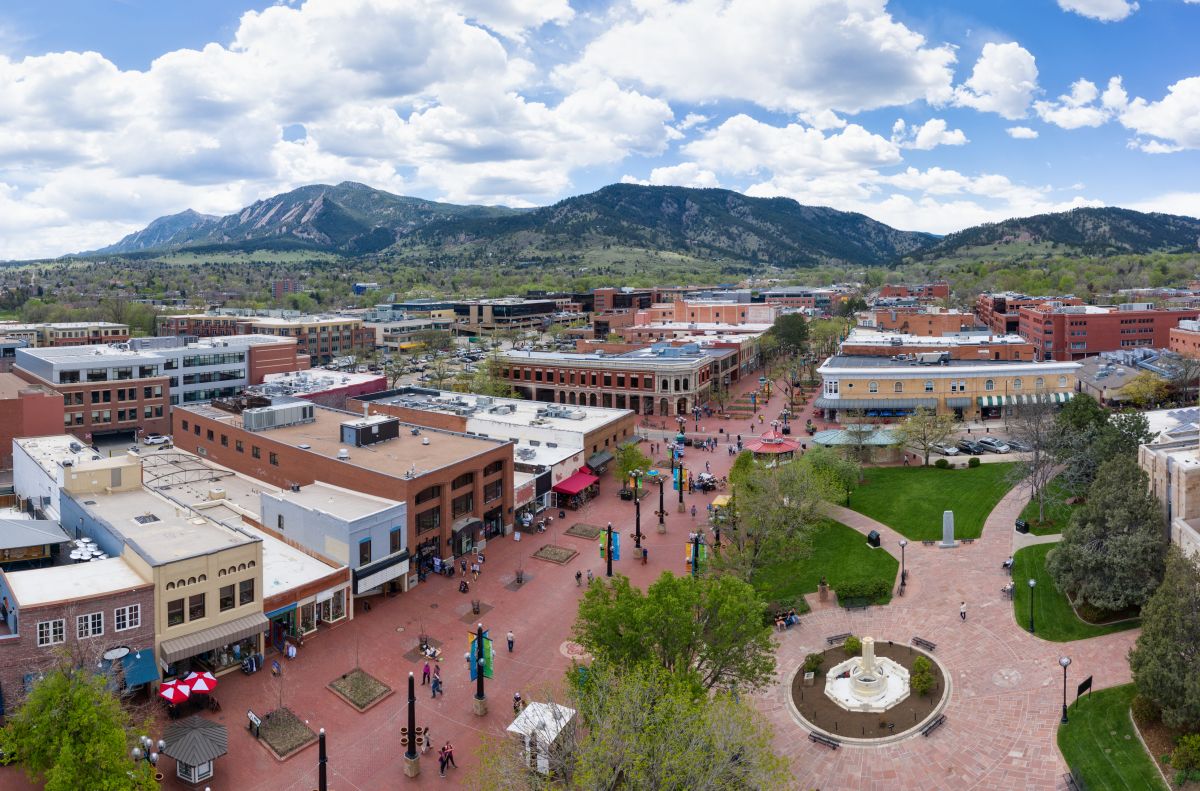
Termite damage restoration services focus on repairing and restoring properties affected by termite infestations. These projects typically involve assessing the extent of damage caused by termites, including compromised wood, drywall, flooring, and structural elements. The process may include removing damaged materials, treating the affected areas to prevent future infestations, and rebuilding or reinforcing structures to ensure safety and stability. Homeowners often seek these services after discovering signs of termite activity or following an inspection that reveals hidden damage beneath the surface.
Before requesting termite damage restoration, property owners usually want to understand the scope of repairs needed and the condition of the affected areas. It's important to identify whether the damage is superficial or structural, as this impacts the repair approach. Additionally, homeowners often inquire about the types of materials that can be restored or replaced, the potential for ongoing pest control measures, and the overall impact on property value. Clear communication about the extent of damage and the restoration process helps ensure expectations are aligned and the property is properly restored.
Many property owners in Boulder, CO look into Termite Damage Restoration for repairs, replacements, upgrades, and appearance-related improvements.
Common Termite Damage Restoration Jobs
Termite Damage Repair - restores structural integrity after termite infestations have caused wood damage.
Wood Replacement - replaces compromised framing, flooring, or support beams affected by termites.
Structural Reinforcement - strengthens weakened areas to ensure building safety and stability.
Surface Restoration - repairs and refinishes damaged drywall, siding, and interior finishes.
Inspection and Assessment - evaluates the extent of termite damage to plan effective restoration.
Preventative Treatments - applies barriers to protect against future termite infestations.
Termite Damage Restoration Questions
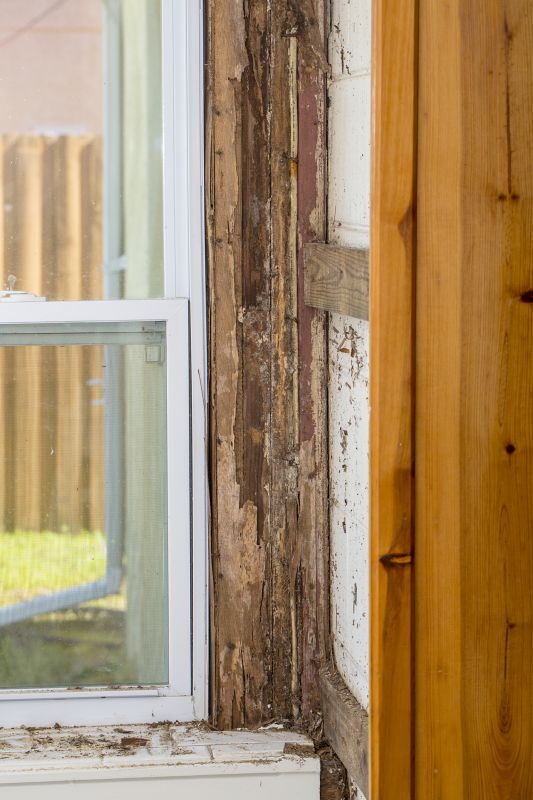
How can I tell if my property has termite damage? Signs include wood that sounds hollow, blistered or cracked paint, and discarded wings near windows or doors.
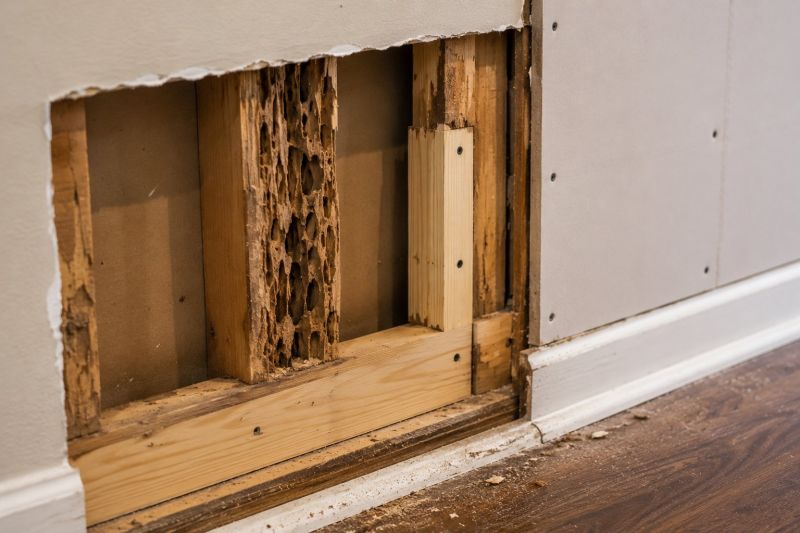
What types of damage do termites cause? Termites can weaken wooden structures, flooring, and furniture, leading to potential safety hazards and costly repairs.
Is it necessary to remove damaged wood during restoration? Yes, removing severely affected wood helps prevent further damage and ensures a stable foundation for repairs.
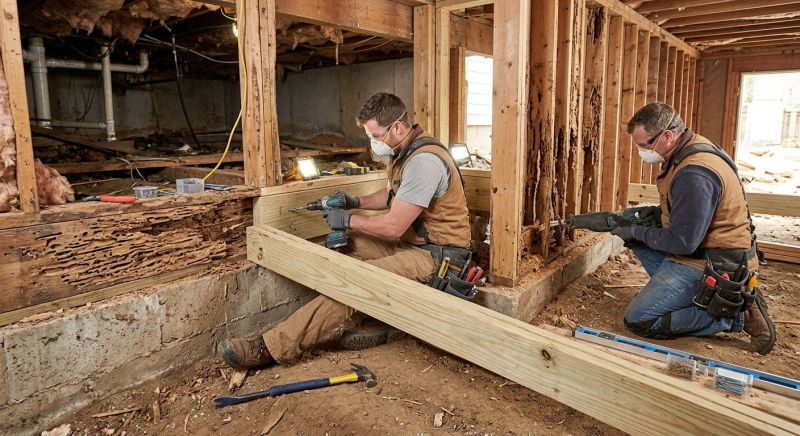
What is involved in termite damage restoration? The process includes assessing the extent of damage, removing compromised materials, and replacing or repairing affected areas.
Request Termite Damage Restoration in Boulder, CO
Use the quote form on this page to share the basics of your project and request more information for the type of work you need.